Insights for a productive workflow
Learn how to manage events efficiently using modern event planning tools, checklists, workflows, and smart strategies. A complete guide for event planners, agencies, and coordinators.
Published by
Team Huggo
on
Nov 28, 2025
Introduction
Event management today is far more complex than it used to be. Planners are expected to coordinate venues, vendors, timelines, budgets, clients, staff, and on-site execution—often simultaneously. Without a clear process, things can quickly become chaotic. Whether you handle weddings, corporate events, conferences, or private functions, the key to success lies in building a structured workflow that keeps every detail organized and easy to manage. This guide breaks down the event planning process into clear, practical steps and explains how modern tools can help you manage events more efficiently.
1. Begin With a Clear Event Objective
Every event starts with clarity. Before any task is scheduled or any vendor is contacted, it’s important to define what the event is meant to achieve. Understanding the event’s purpose, budget constraints, venue requirements, client expectations, and target audience sets the foundation for the entire planning journey. When the core objective is defined early, it helps avoid misalignment later and ensures every decision supports the intended outcome.
2. Build a Comprehensive Event Checklist
A checklist may seem simple, but it is one of the most powerful tools in an event planner’s workflow. It acts as the blueprint for the entire event and ensures that nothing is overlooked, especially during busy periods. A well-structured checklist covers everything from venue booking and vendor coordination to equipment, staff schedules, documents, and approvals. The more detailed the checklist, the smoother the planning process becomes. It also keeps the team aligned, making it easier to delegate responsibilities and monitor progress.
3. Centralize All Event Information
One of the biggest challenges in event management is dealing with scattered information. When important details are spread across WhatsApp chats, notebooks, spreadsheets, and emails, miscommunication becomes inevitable. Centralizing everything—client briefs, files, notes, timelines, vendor agreements, budgets, and updates—creates a single source of truth. This makes it easier for everyone involved to stay informed, reduces confusion, and ensures no detail is missed. Centralization also becomes critically important on event day, when quick access to accurate information can prevent costly mistakes.
4. Create a Structured Event Timeline
A well-planned timeline is essential for ensuring that the event progresses smoothly. The timeline outlines the sequence of activities, from pre-event preparation to post-event wrap-up. It includes planning milestones, vendor arrival slots, staff reporting times, rehearsals, the main program schedule, and cleanup. When the timeline is shared with everyone involved—clients, vendors, and team members—it eliminates uncertainty and gives the entire group a clear understanding of what needs to happen and when. A structured timeline is the backbone of an event that stays on schedule.
5. Assign Roles and Responsibilities Clearly
Event-day confusion often happens because people are unsure of their responsibilities. Assigning clear roles ensures that every important task has an owner. When each team member knows exactly what they are responsible for—be it vendor coordination, guest handling, logistics, stage flow, transportation, or technical setup—execution becomes predictable and efficient. Clear responsibilities also reduce pressure on the planner, as tasks are evenly distributed instead of falling on one person.
6. Manage Vendors With Precision
Vendors form the operational core of most events. From decorators and lighting teams to photographers, AV technicians, rental suppliers, and entertainers, each vendor has specific deliverables and timelines. Coordinating with vendors requires organized communication, proper documentation, and continual follow-up. Tracking their commitments, payments, arrival times, and contingencies creates a smooth experience on all sides. When vendors know exactly what is expected and when, the overall event execution becomes much more reliable.
7. Monitor Budgets and Track Expenses Carefully
Budget management is a major part of event planning. Even small oversights can result in unexpected costs or reduced profitability. Instead of tracking expenses across separate spreadsheets or notes, a structured budget plan keeps everything transparent. Recording every cost—venue charges, vendor payments, equipment rentals, labour, transport, and miscellaneous purchases—helps prevent overruns. Regularly comparing planned budgets with actual expenses makes it easier to stay in control and make informed decisions as the event approaches.
8. Maintain Clear and Consistent Communication
Smooth communication is fundamental to successful event management. Misunderstandings can lead to delays, repeated work, or errors during execution. Keeping communication centralized and documented ensures that everyone stays on the same page. Whether you're sharing updates with the client, coordinating with vendors, or informing staff members about changes, clear communication builds confidence and reduces the risk of mistakes. Strong communication practices also make the event experience more professional.
9. Use Event Management Software to Streamline Operations
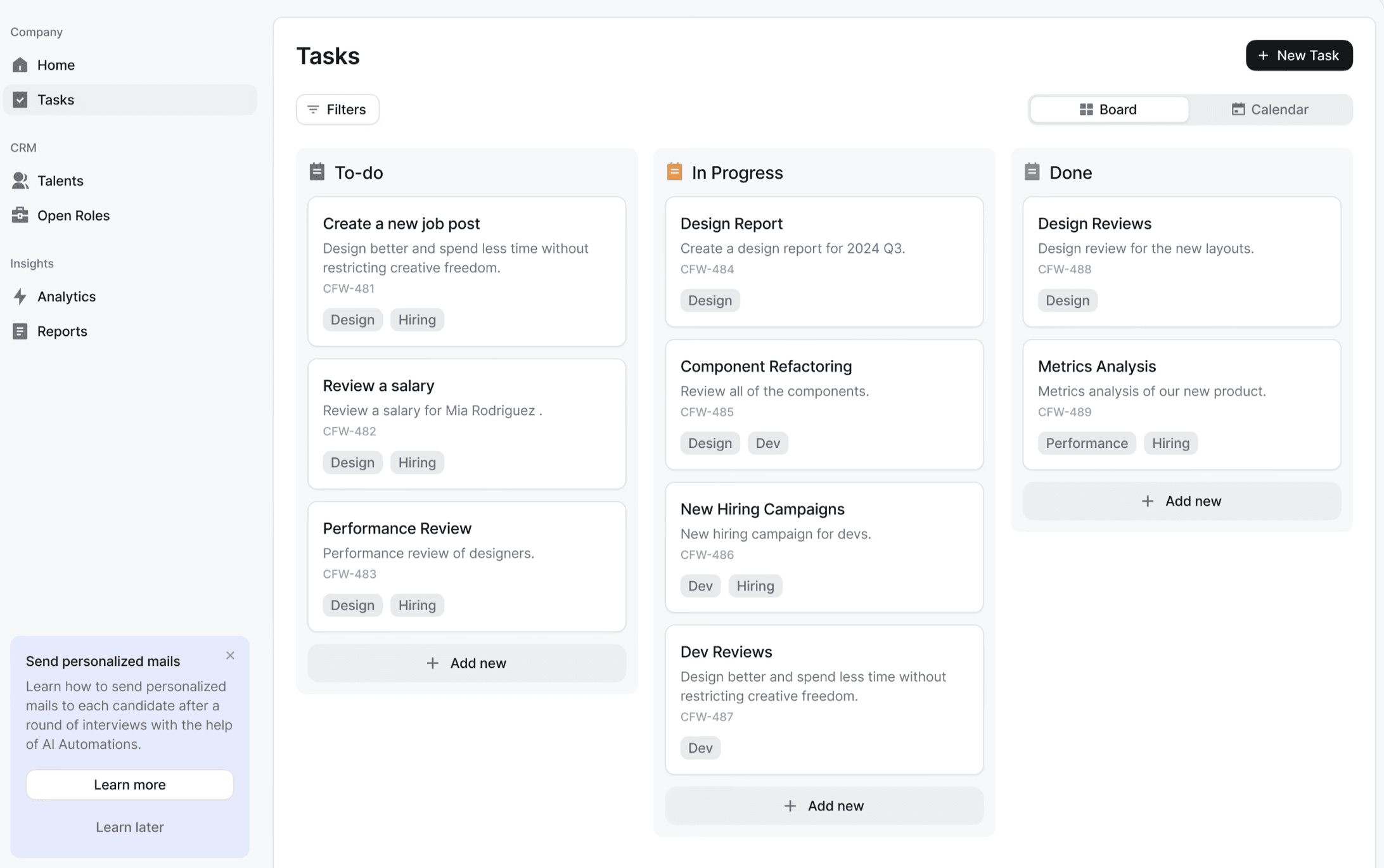
Event planners often juggle multiple tools—spreadsheets, messaging apps, file drives, and notebooks. While manageable for small events, this becomes inefficient as the workload grows. Modern event management software brings everything together in one organized system. It allows planners to manage tasks, coordinate timelines, track budgets, store files, add notes, share updates with teams, and monitor vendor details—all from a single dashboard. Software not only saves time but also reduces the risk of human error and helps teams operate more efficiently.
10. Conduct a Post-Event Review
Once the event is completed, taking time to review the process is invaluable. Reflecting on what went well, where delays occurred, how vendors performed, and how the team executed the plan helps improve future events. Collecting client feedback and documenting key insights gives your team long-term learning that enhances service quality over time. A thoughtful post-event review turns every event—successful or challenging—into a source of improvement.
Conclusion
Efficient event management is built on clarity, structure, and the ability to stay organized under pressure. By starting with well-defined objectives, building strong checklists, centralizing information, creating clear timelines, assigning responsibilities, and maintaining precise communication, planners can significantly reduce stress and increase the quality of every event they manage. Modern event management tools further streamline the process by bringing everything into one system, allowing planners to work smarter and deliver consistently exceptional events. With the right approach and the right tools, any event can be managed with confidence and precision.